
Counselling Support in Edmonton and across Alberta
Compassionate Support Through Life's Challenges
Life can feel overwhelming at times.
You may be struggling with anxiety, stress, trauma, burnout, grief, relationship difficulties, or the emotional impact of a major life event. Perhaps you feel stuck, exhausted, uncertain about the future, or simply not like things about yourself.
Whatever you are facing, you do not have to navigate it alone.

At Overcoming Waves Psychology & Counselling, we provide compassionate, evidence-based therapy for individuals seeking support, healing, and meaningful change. Whether you are experiencing a specific mental health concern or simply looking for guidance through a difficult season of life, we are here to help.
We offer in-person counselling in North Edmonton and secure virtual therapy sessions throughout Alberta.
Featured Counselling Services

Anxiety & Panic Therapy
Anxiety can affect every part of your life, from your relationships and work to your sleep and overall wellbeing. You may find yourself constantly worrying, overthinking situations, struggling to relax, or experiencing panic attacks that leave you feeling overwhelmed.
Therapy can help you better understand your anxiety, develop practical coping strategies, and regain a greater sense of calm, confidence, and control.
Trauma & PTSD Therapy
Traumatic experiences can affect your thoughts, emotions, relationships, and daily life long after the event has ended. You may experience flashbacks, heightened anxiety, emotional numbness, sleep difficulties, a persistent sense of feeling unsafe, or other symptoms.
Therapy can help you process difficult experiences, reduce distressing symptoms, and move toward healing at a pace that feels comfortable and supportive.


EMDR Therapy
EMDR is an evidence-based therapy often used to help individuals process traumatic experiences, anxiety, PTSD, and distressing memories that continue to affect daily life.
By helping the brain process difficult experiences differently, EMDR can reduce emotional distress and support long-term healing.
Motor Vehicle Accident (MVA) Therapy
The effects of a motor vehicle accident often extend beyond physical injuries. Anxiety, fear, trauma, sleep difficulties, emotional distress, and loss of confidence are common challenges many people face following an accident.
Therapy provides a safe space to process the emotional impact of an accident, develop coping strategies, and move forward with greater confidence and peace of mind.


Burnout & Work Stress Counselling
When stress becomes chronic, it can leave you feeling mentally, emotionally, and physically exhausted. Burnout often affects motivation, concentration, relationships, sleep, and overall wellbeing.
Therapy can help you understand what factors contribute to burnout, develop healthier coping strategies, establish boundaries, and restore a greater sense of balance in your life.
Additional Areas of Support
In addition to our featured counselling services, we support clients experiencing:
If you're unsure whether counselling may be helpful for your situation, we invite you to contact us for a free consultation.
Grief and Loss
Relationship Challenges
Life Transitions
Self-Esteem Concerns
Farming-related stresses
Victims of Crime
Health-Related Challenges
Personal Growth and Emotional Wellbeing
Evidence-Based Therapy Approaches
Every client is unique, which is why therapy is tailored to your individual needs, experiences, and goals. Depending on your situation, we may draw from a variety of evidence-based approaches.

Eye Movement Desensitization and Reprocessing (EMDR)
EMDR helps individuals process traumatic experiences and distressing memories so they become less emotionally overwhelming over time.

Cognitive Behavioural Therapy (CBT)
CBT helps individuals understand the connection between their thoughts, emotions, and behaviours while developing healthier coping strategies.

Solution Focused Brief Therapy (SFBT)
SFBT focuses on strengths, resources, and practical solutions, helping clients build on what is already working and move toward meaningful goals.

Family Systems Therapy
Family Systems Therapy explores how relationships and family dynamics influence emotional wellbeing, communication, and daily life.
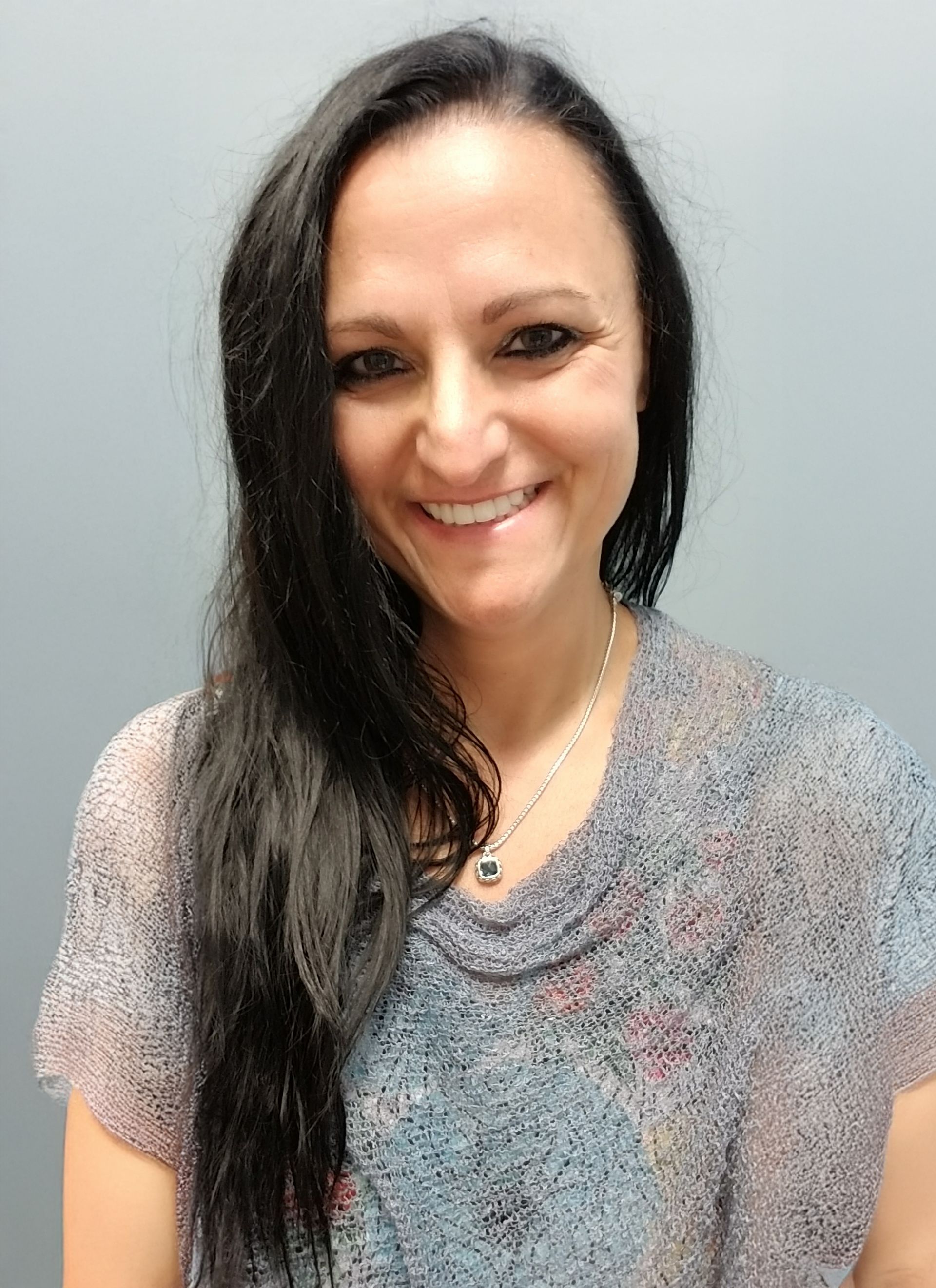
Working With Wendy Yasinski
With more than 24 years of experience supporting individuals, couples, families, and groups, Wendy provides compassionate, evidence-based counselling tailored to each client's unique needs and goals.
What To Expect When You Begin Therapy
Starting therapy can feel intimidating, especially if this is your first experience with counselling.
At Overcoming Waves Psychology & Counselling, we strive to create an environment where you feel safe, respected, supported, and heard.
You remain in control of the therapeutic process. Together, we work at a pace that feels comfortable for you while focusing on the goals and changes that matter most in your life.
Our approach is grounded in:
Trust & Safety
A supportive environment where you feel respected and understood.
Compassion & Genuine Care
Therapy that is grounded in empathy, encouragement, and respect.
Collaboration & Growth
Working together toward meaningful goals and lasting change.
Healing is about creating meaningful change and building the skills needed to navigate your life's challenges more effectively.
Take The First Step Toward Healing
You do not have to have everything figured out before reaching out for support.
At Overcoming Waves Psychology & Counselling, we are here to support you through life's storms and help you move toward calmer waters.